

Last week, I talked about fermentation, about kimchi’s long history, and about kimjang gatherings and jars of sauerkraut kept through the winter. This week, I am going little deeper into what fermented foods actually do to our skin.

When we think about clear skin, we often focus on cleansers, serums, and moisturisers. But that is not how it usually work. One of the most important steps in the skincare routine starts in our kitchen? Because of this, scientists have become increasingly interested in the gut–skin axis in recent time.
The growing evidences suggest that supporting a healthy gut microbiome may also help support healthier, calmer, and more resilient skin.
Our gut and skin are interconnected
In our digestive tract live trillions of microorganisms. They help break down foods, digest them, produce vitamins, regulate the immune system, and communicate with organs throughout the body. This includes communicating with your skin. When we have balanced gut, it regulates inflammation and strengthens the body’s natural immune system.
The research studies have concluded that there is growing evidence supporting a relationship between the gut microbiome and inflammatory skin diseases, such as acne and eczema.
Why fermented foods matter
Fermented foods, such as kimchi, sauerkraut, kefir, plain yoghurt, miso, and tempeh naturally contain beneficial microorganisms or bioactive compounds produced during fermentation.
One of the most interesting studies comes from Stanford University in 2021, where researchers observed healthy adults who consumed a diet rich in fermented foods for ten weeks. They found that the adults had increased diversity of the gut microbiome, reduced several inflammatory proteins significantly and improved their immune system.
This is interesting because chronic and low-grade inflammation is associated with premature skin ageing and inflammatory skin conditions.
This means, fermented foods may support the skin by strengthening the skin barrier, helping it retain moisture and improving the availability of nutrients such as B vitamins and certain minerals.
While fermented foods won’t erase wrinkles or clear acne overnight, they can help create an internal environment that supports healthier skin over time.
Did You Know?
The Stanford University study found that people who ate about six servings of fermented foods per day for ten weeks significantly increased the diversity of their gut microbiome while reducing 19 different inflammatory proteins in their blood.
Now, is kimchi the secret behind korean skin?
This question comes naturally when we think about South Korean beauties and hear kimchi. But I agree. They are famous for radiant, healthy-looking skin. Kimchi has been a part of Korean diet for centuries and is naturally rich in beneficial bacteria, fibre, vitamins, and antioxidants, and it almost certainly contributes to a healthy, diverse diet.
But, there is no scientific evidence that kimchi alone is responsible for Korean skin (so you can stop over consuming now 😉). Experts believe the real benefits come from a diet rich in vegetables, fermented foods, and minimally processed ingredients, daily use of sunscreen, consistent skincare routines that focus on prevention rather than correction, healthy lifestyle habits, and genetics.
Fermented foods are therefore best viewed as one important piece of the puzzle, rather than a miracle solution.
Fermentation on the skin
Some fermented foods are not only beneficial to eat, but also to apply directly on the skin. Yoghurt is a good example. Plain yoghurt can also gently exfoliate and hydrate the skin when used topically.
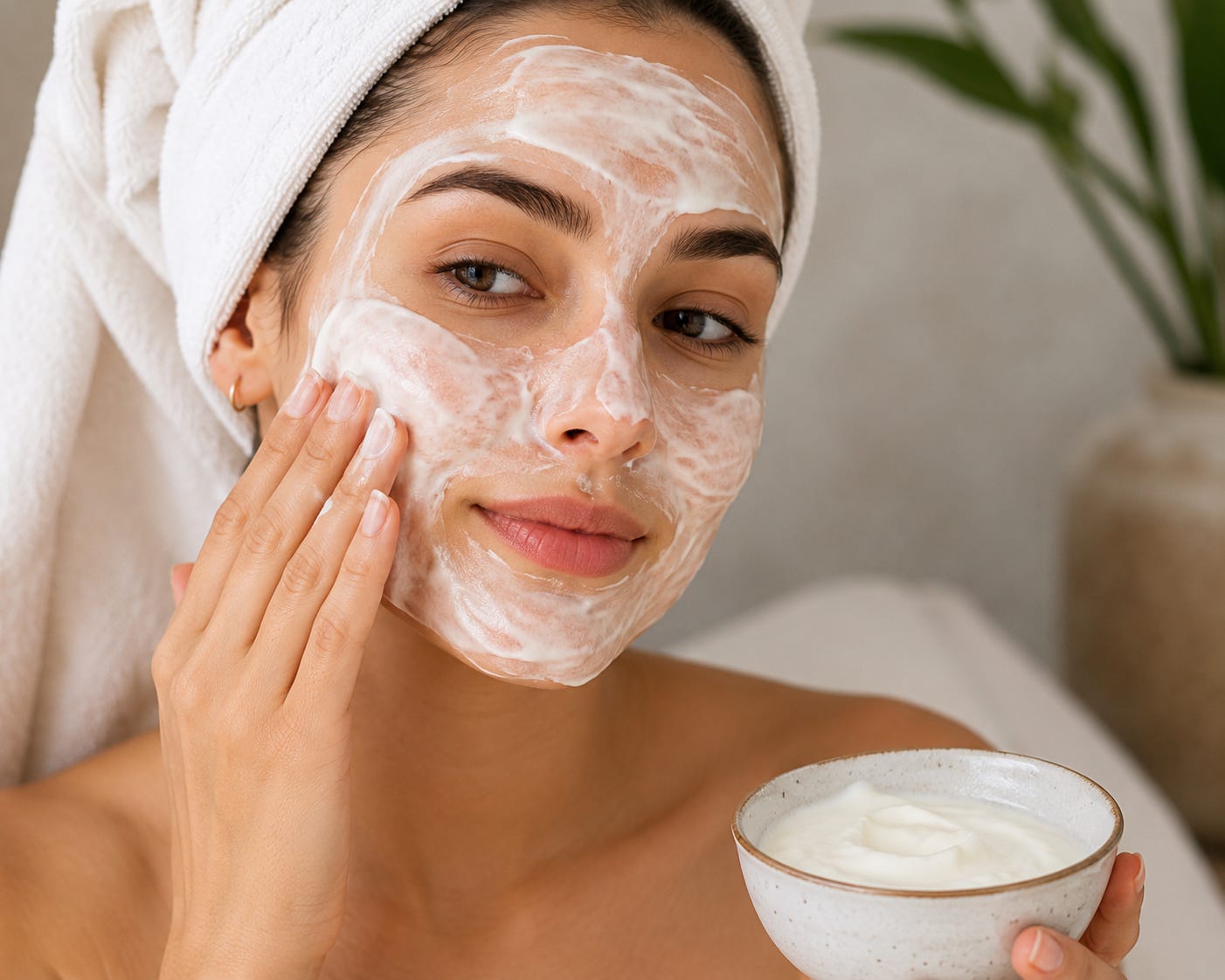
Here are some of the benefits of applying yoghurt to the skin:
-
The naturally occurring lactic acid helps loosen dead skin cells, revealing smoother and brighter looking skin. Because yoghurt contains much lower levels of lactic acid than exfoliating skincare products, it is gentle enough for most skin types.
-
The combination of water, proteins, and milk fats helps soften dry or dehydrated skin, leaving it feeling comfortable after rinsing.
-
Plain yoghurt can feel soothing on skin that is mildly irritated or flushed after sun exposure or shaving. (Note: Avoid applying it to broken skin, severe sunburn, infected areas, or active eczema flare-ups.)
-
Milk proteins and lipids help reduce temporary water loss, making the skin feel softer and more comfortable. While this doesn’t replace your daily moisturiser, it can provide an extra boost of hydration.
Try this simple ritual: Apply 2–3 tablespoons of plain, unsweetened yoghurt to clean skin. Leave it on for 5-8 minutes. Rinse with water using gentle circular motions. Follow with your favourite moisturiser or facial oil. For most skin types, using this ritual once or twice a week is enough.
Caution: Always perform a patch test first, especially if you have very sensitive skin or allergy.
A word from the heart
Adding fermented foods to your meals and enjoying a simple yoghurt face mask once or twice a week are small rituals. But help support healthier, calmer, and more radiant skin over time.
But healthy skin does not come from one product or one food. It requires hard work of daily habits, eating nourishing foods, drinking water, sleeping well, using sun protection, and following a gentle skincare routine.
With love,
Angela
